
Why Your Loan Payoff Amount May Be Different From Your Current Balance
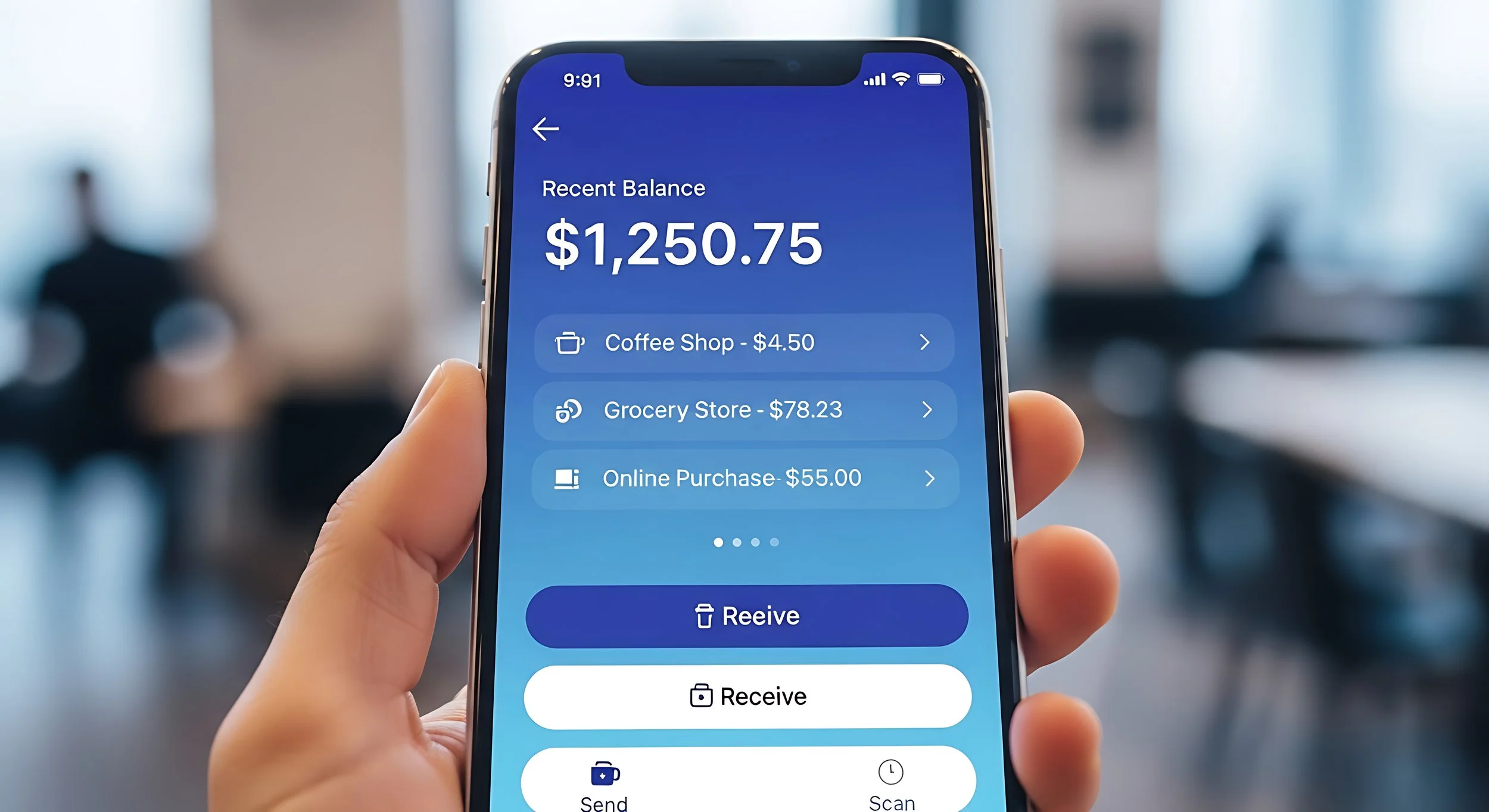
If you are trading in a financed vehicle, refinancing an existing loan, selling a vehicle you still owe money on, or trying to pay a loan off early, you may notice that the payoff amount quoted by your lender is slightly different from the balance shown in your online account.
That difference is usually not an error.
Your current balance reflects what you owe at a particular point in time. A payoff amount is calculated to show what must be paid to completely satisfy the loan on a specific date.
What Is the Difference Between Your Balance and Payoff Amount?
Your current loan balance generally reflects the principal you still owe, along with any amounts already posted to the account.
A payoff quote looks forward to the date when the lender expects to receive the final payment.
Because interest may continue accruing between the day you request the quote and the day the payoff is actually received, the payoff amount can be slightly higher than the balance you see online.
Depending on the loan, unpaid fees or other outstanding charges may also affect the final amount.
Accrued Interest Is Usually the Main Reason for the Difference
Installment loans, including many auto loans and mortgages, accrue interest over time based on the remaining principal balance. That means interest gradually adds up between regular payments.
For example, your online account might show a balance of $10,000 today. If you request a payoff amount that is good through several days from now, the lender may include the interest expected to accrue during those additional days.
The result might be a payoff amount of $10,020 or $10,030 rather than exactly $10,000.
Paying the loan off early does not usually require you to pay all of the interest that would have accrued if you had kept the loan for its full term. With a typical simple-interest loan, the payoff amount covers only the remaining principal and interest that would accrue through the payoff date.
Depending on the loan agreement, other outstanding charges or an applicable prepayment penalty could also affect the final payoff amount.
Why Payoff Amounts Matter When Trading In or Refinancing a Vehicle
If you trade in a vehicle that still has a loan, the dealer generally needs the full payoff amount to satisfy the existing lien. The same applies when a lender refinances the loan.
The payoff amount is also the figure that matters when determining whether you have positive or negative equity in the vehicle. If the vehicle is worth less than the amount required to pay off the loan, you are still underwater.
Can Fees or Other Charges Change the Payoff Amount?
They can.
Depending on the loan and your account history, the payoff amount may include unpaid late fees, other outstanding charges, or amounts required under the loan agreement.
Some loans may also have specific early-payoff provisions, so it is important to review your loan documents rather than assuming every loan is handled the same way.
What Should You Do If You Want to Pay Off a Loan?
If you are paying the loan off yourself, request an official payoff quote and follow the lender’s instructions for submitting the final payment.
If you are refinancing or trading in a financed vehicle, the new lender or dealership will often coordinate the payoff directly with your existing lender. Even when they handle the process, it’s still a good idea to confirm afterward that the old loan was fully satisfied, the account shows a zero balance, and any lien release or title paperwork has been completed.
Ouachita Valley Federal Credit Union members with questions about an existing loan or payoff amount can contact us at 318.387.4592 for assistance.
