
Why Did My Mortgage Payment Go Up If I Have a Fixed Interest Rate?
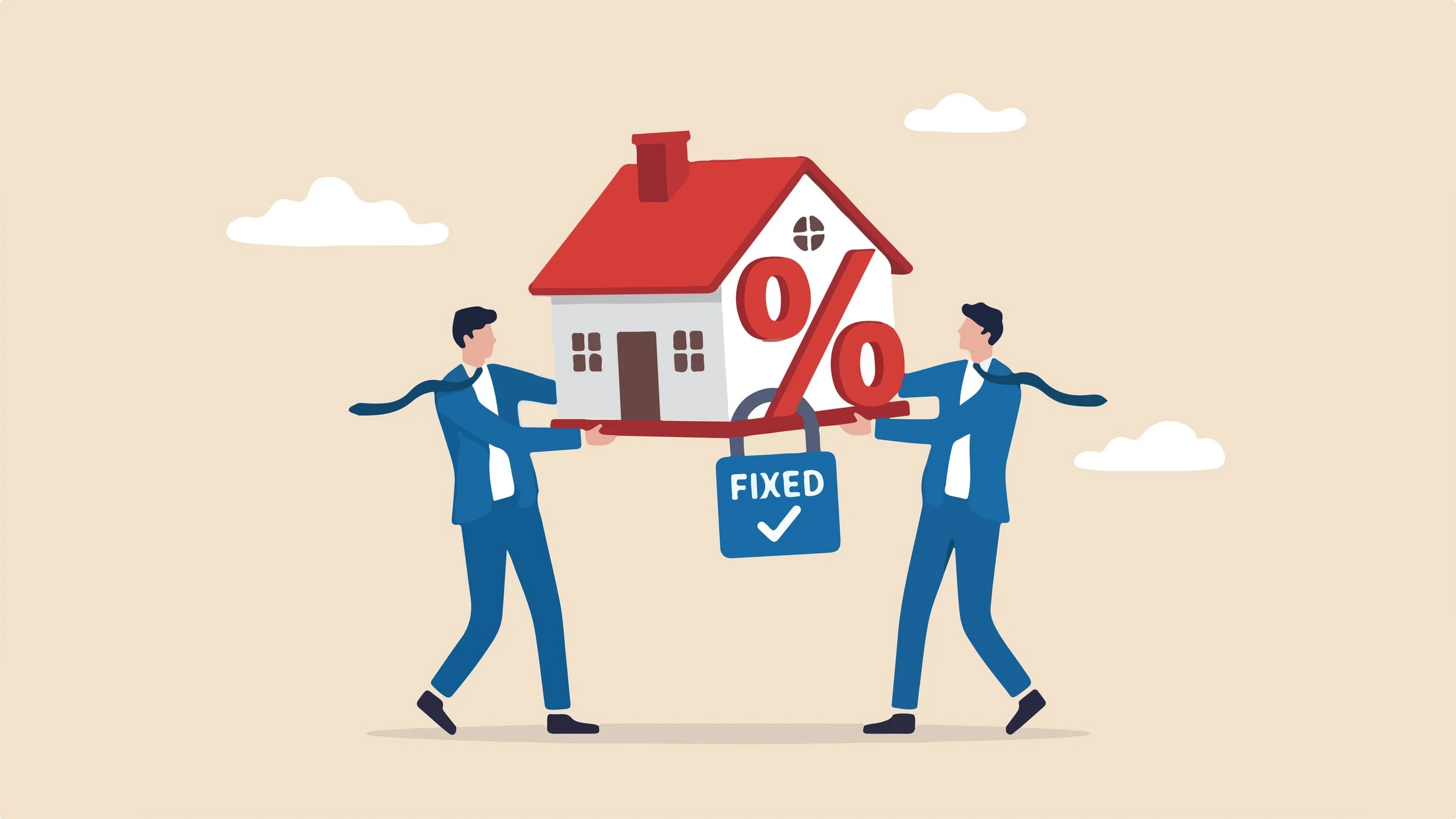
With a fixed-rate mortgage, the principal-and-interest portion of your monthly payment generally stays the same for the life of the loan. The part that can change is the amount collected for expenses such as homeowners insurance and property taxes.
For borrowers whose mortgages include an escrow account, increases in those expenses can raise the total amount due each month even though the interest rate has not changed.
That can be especially noticeable in Louisiana. Major hurricanes in 2020 and 2021 caused billions of dollars in insured losses. Higher construction costs, inflation, and rising reinsurance costs have added further pressure to Louisiana homeowners insurance premiums.
That added cost shows up in your escrow payments.
What Part of a Fixed-Rate Mortgage Payment Stays Fixed?
For most borrowers with a fixed-rate mortgage, the largest portion of the monthly payment is the combined principal-and-interest payment.
Early in the loan, a larger share goes toward interest and a smaller share reduces the principal balance. As the loan is paid down, more of each payment goes toward principal and less toward interest. But the combined amount should stay the same for as long as you keep the loan.
That fixed principal-and-interest amount is what gives a fixed-rate mortgage its predictability.
The portion of the monthly payment that can change is the smaller amount collected through escrow.
How Does a Mortgage Escrow Account Work?
An escrow account allows your mortgage servicer to collect money for certain property-related expenses as part of your monthly mortgage payment.
Instead of paying a large homeowners insurance premium or property tax bill directly when it comes due, you contribute toward those expenses throughout the year.
The servicer holds that money in the escrow account and uses it to pay the appropriate insurance company or taxing authority when the bill is due.
If your annual homeowners insurance premium or property tax bill changes, the amount that needs to be collected through escrow will usually change as well.
Higher Homeowners Insurance Premiums Can Increase Your Payment
Homeowners insurance premiums typically change when the policy renews, usually once a year. If your annual premium increases, your mortgage servicer may need to collect more each month moving forward to make sure enough money will be available in escrow when the next insurance bill comes due.
For example, if an annual homeowners insurance premium increases by $600, that represents about $50 more per month.
Property Tax Changes Can Affect Your Mortgage Payment Too
Property taxes are another major expense commonly paid through escrow.
Changes to a property's assessed value, tax rates, exemptions, or other local tax factors can increase or decrease the amount owed.
When the mortgage servicer determines that a larger property tax payment will be required, it may increase the monthly escrow contribution to account for the higher expense.
Why an Escrow Shortage Can Make the Increase Larger
Mortgage servicers periodically review escrow accounts to compare how much money was collected with the amount actually paid for taxes and insurance.
If those expenses were higher than expected, the escrow account may have a shortage.
For example, a mortgage servicer may have estimated future escrow needs based on the previous year’s lower insurance premium or property tax bill. The servicer will still pay the bill, even if it was higher than its estimate, but the escrow account may then need to be replenished.
That can result in two changes to your monthly payment at the same time:
A higher ongoing contribution to cover the new insurance or tax amount
An additional amount to make up the escrow shortage
What Should You Check If Your Mortgage Payment Goes Up?
If you receive notice that your mortgage payment is changing, your escrow analysis or mortgage statement should explain the reason.
Borrowers who think it’s too high should compare their previous and current homeowners insurance premiums and property tax amounts, and check whether the payment includes repayment of an escrow shortage.
If the reason for the change is still unclear, contact your mortgage servicer and ask for an explanation of how the new payment was calculated.
Can You Lower an Increased Escrow Payment?
If homeowners insurance is responsible for the increase, it may be worth comparing coverage and premiums from other insurers.
If property taxes increased, review the tax bill to make sure the assessment and any exemptions you qualify for are accurate.
Your annual escrow analysis or payment-change notice should explain whether an escrow shortage contributed to the increase, how the shortage will be repaid, and how much your new escrow contribution will be.
A Fixed Interest Rate Does Not Always Mean a Fixed Total Payment
Ouachita Valley Federal Credit Union offers mortgage lending options for homebuyers throughout Monroe and Northeast Louisiana. Contact us at 318.387.4592 to learn more about our home loan options or speak with a member of our lending team.
