
What Happens to Your Credit When You Pay Off a Loan?
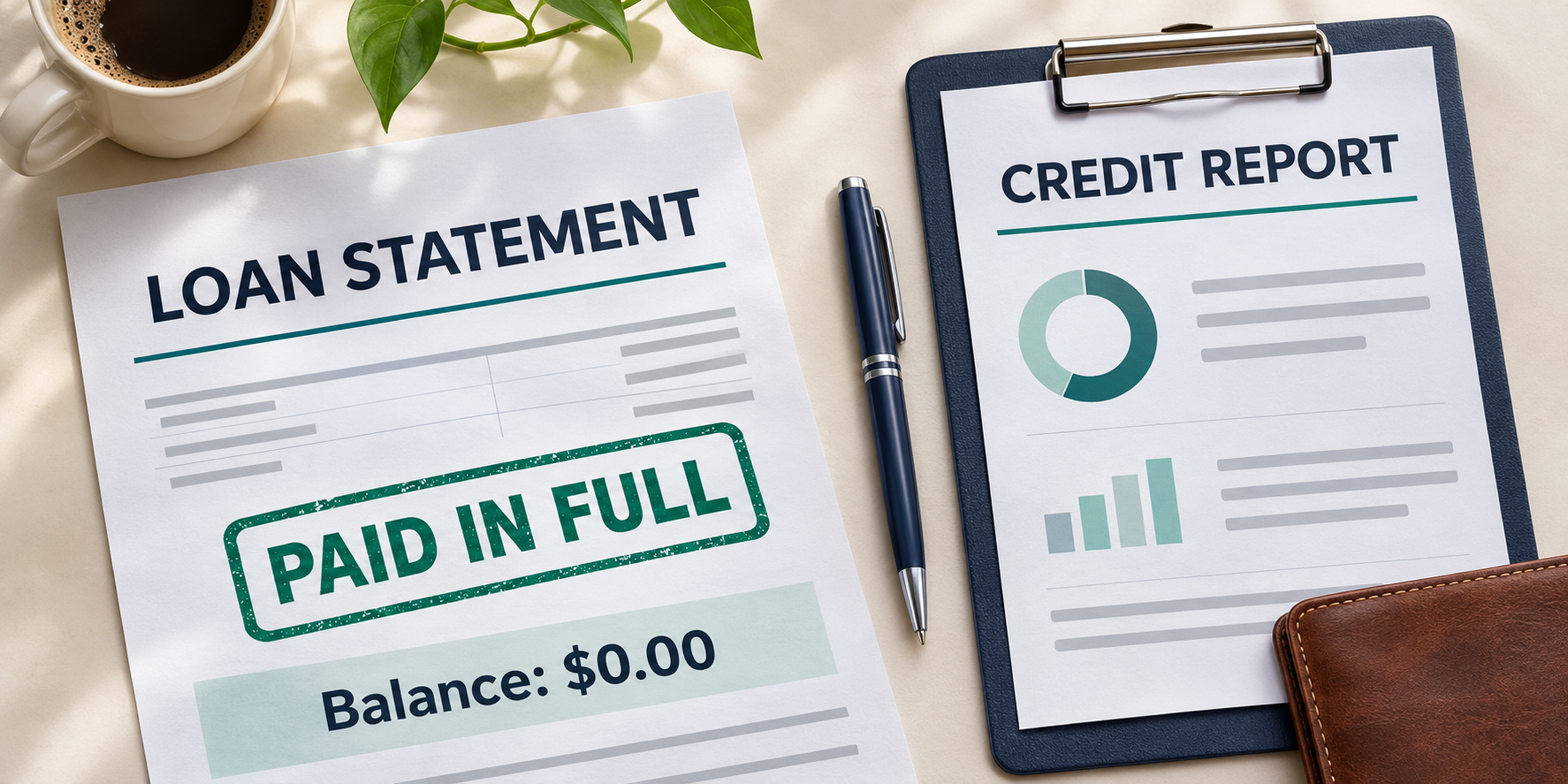
Paying off a mortgage, auto loan, student loan, or personal loan is a great achievement and worth celebrating.
However, some borrowers, particularly those who don’t have any other installment loans, may notice that their credit score changes after the account closes. That can be confusing, especially since paying off debt seems like something that should have a purely positive effect on your finances.
The reason is that credit-scoring models look at more than whether you owe money. They also consider things like payment history, how much revolving credit you use, the age of your accounts, and the mix of different types of credit you have.
Why Can Your Credit Score Change After a Loan Is Paid Off?
Installment loans, such as mortgage or auto loans, and revolving credit, such as credit cards, are treated differently on a credit report.
Responsibly managing both types of credit can help your credit mix. If you pay off your only active installment loan, your mix of open accounts becomes less varied, which can sometimes cause a modest score change.
Any score change from closing your only installment loan is typically modest. For many borrowers, the financial benefit of eliminating the monthly payment far outweighs a small, temporary change in their credit score.
Does a Paid-Off Loan Disappear From Your Credit Report?
No. The main immediate credit-related change is that you no longer have an active installment loan. Your record of dependable repayment can remain on your credit report for up to 10 years after the account closes.
Closed accounts do eventually fall off your credit report, so the credit history benefit of an old mortgage or auto loan is not permanent.
Is Paying Off a Loan Early Worse for Your Credit?
Early repayment is no more or less impactful than sticking with the loan for the full term; it simply means the effects of closing the account happen sooner.
From a big-picture standpoint, paying a loan off early can save hundreds, thousands, or even tens of thousands of dollars in interest, depending on the loan and remaining term. That savings can be far more significant than the modest credit-score change caused by closing the installment account.
Can You Still Have Good Credit Without Any Debt?
Yes, someone who has paid off long-term installment debt can still have excellent credit.
However, good credit generally depends on having enough recent credit activity for scoring models to evaluate how you manage credit.
Someone who stops using credit altogether may have less recent activity over time as older paid-off loans age out of their credit report.
Keeping a credit card open and using it responsibly can provide ongoing credit activity without requiring you to take out another installment loan. Making payments on time and keeping the balance low compared with the credit limit can help maintain a strong credit history.
You do not need to carry a balance or pay interest to receive that benefit.
A Small Credit-Score Change Shouldn’t Overshadow Paying Off Debt
Paying off an installment loan is always a victory, and borrowers shouldn’t feel obligated to open a new loan just to ensure an installment loan remains in their credit mix.
However, if you know you will need a new car loan, mortgage, home equity loan, or personal loan in the near future, paying off an existing loan may give you the budgetary breathing room to take that next step.
Ouachita Valley Federal Credit Union is dedicated to helping Northeast Louisiana residents reach their financial goals. Whether you want to refinance an existing loan to accelerate repayment or need financing for a new vehicle, home, or other major expense, our local team can help you explore your options. Contact us at 318.387.4592 to learn more.
