
What Happens to an Auto Loan When the Borrower Dies?
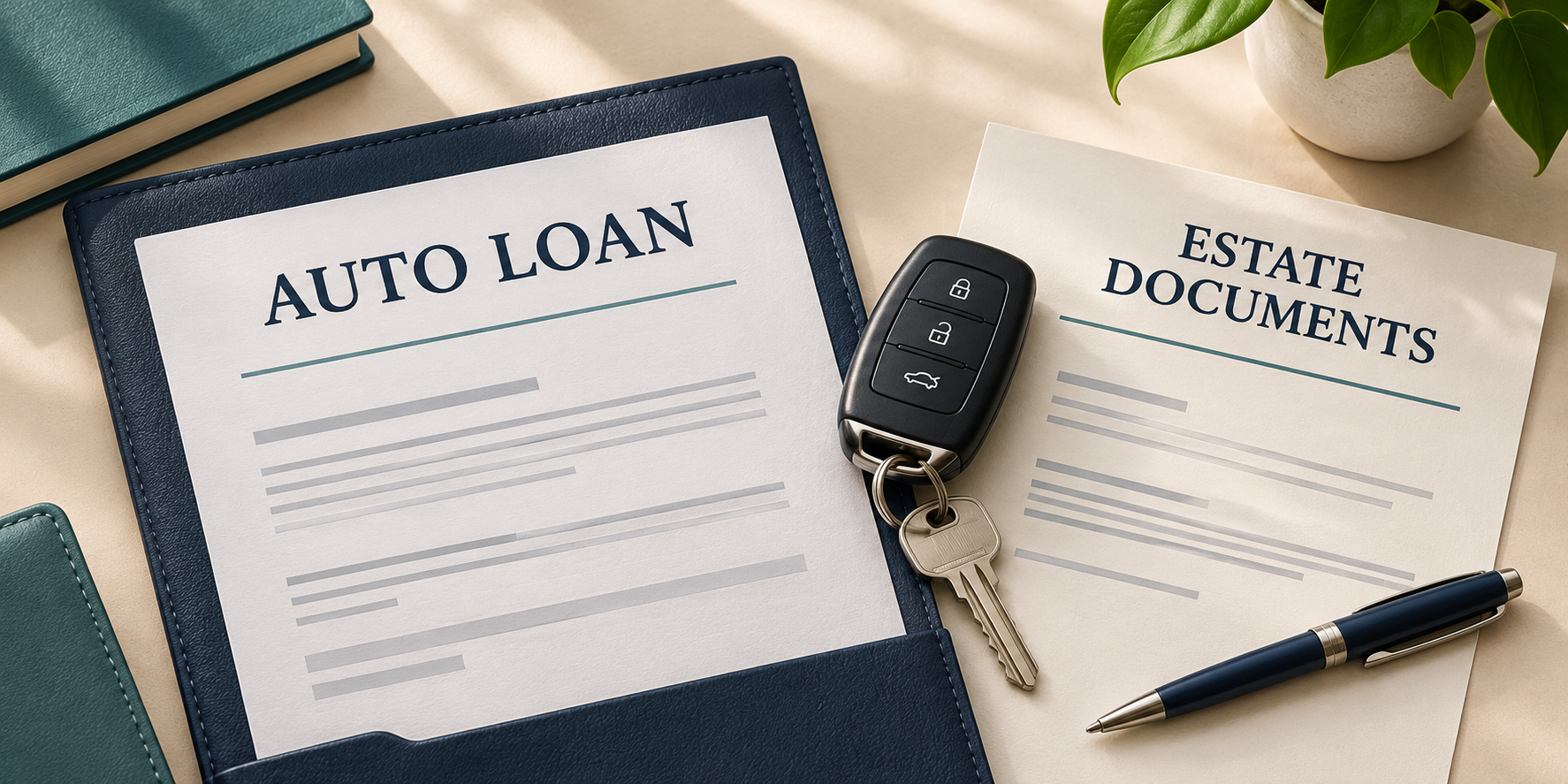
When someone with an outstanding auto loan passes away, the debt does not simply disappear.
The remaining loan is generally handled through the borrower’s estate, while the vehicle continues to serve as collateral for the debt. That means the loan still needs attention even if the family is still figuring out what to do with the vehicle.
If your family finds itself in this situation, it’s usually best to contact the lender rather than letting auto loan payments stop while the estate is being settled.
Who Is Responsible for the Auto Loan?
In most cases, the borrower’s estate is responsible for paying debts left behind after death.
Family members do not automatically become personally responsible for the auto loan just because they are related to the borrower.
The situation can be different if someone else was already legally responsible for the loan, such as a co-borrower or cosigner. Louisiana’s community-property rules can also make some situations more complicated, so surviving spouses may want to speak with the lender or an attorney if responsibility is unclear.
What Happens to the Monthly Payments?
Loans do not automatically pause when the borrower dies.
If payments stop, the account can become delinquent, and the lender may eventually have the right to repossess the vehicle.
That is why someone handling the estate should contact the lender as soon as reasonably possible. The lender can explain the current balance, whether a payment is due, and what options may be available while the estate is being settled.
Waiting until ownership issues are fully resolved can create unnecessary problems if several payments are missed in the meantime.
Can a Family Member Refinance the Auto Loan and Keep the Vehicle?
A family member who wants to keep the vehicle should contact the lender before assuming they can simply continue making payments on the existing loan indefinitely.
The vehicle will need to be legally transferred to the new owner, and the remaining loan balance may need to be refinanced into that person’s name.
If refinancing is required, the new borrower will generally have to qualify based on their own credit and finances, just as they would with any other auto loan.
What If Nobody Wants to Keep the Vehicle?
If the estate does not plan to keep the vehicle, it may be sold and the proceeds used to pay off the auto loan.
If the vehicle is worth more than the payoff amount, any money left after satisfying the loan generally belongs to the estate.
If the vehicle is worth less than the amount still owed, there may be a remaining balance that must still be paid to the lender after the vehicle is sold.
Surrendering the vehicle to the lender may also be an option in some situations, but giving the vehicle back does not necessarily erase the remaining debt. If the lender sells the vehicle for less than the outstanding balance, the estate may still be responsible for the difference.
Could Insurance or Debt Protection Pay Off the Loan?
Some borrowers purchase optional credit life insurance, debt cancellation, or similar protection when taking out a loan.
Depending on the contract, that type of coverage may pay off some or all of the remaining auto loan balance after the borrower dies.
Family members handling the estate should review the loan documents and ask the lender whether any such coverage was in place before making other arrangements.
What Should Family Members Do First?
Auto lenders deal with borrower deaths regularly and can usually explain what needs to happen next. In many cases, they will work with the person handling the estate to keep the account current while the family decides whether the vehicle will be kept, refinanced, sold, or surrendered.
When you contact the lender, have the borrower’s loan information available if possible, and ask about the current balance, upcoming payments, and the lender’s requirements for handling the loan after death.
If a family member wants to keep the vehicle, ask whether the remaining balance can be refinanced into that person’s name.
Ouachita Valley Federal Credit Union can help families in Northeast Louisiana explore auto loan refinancing options when keeping a financed vehicle makes sense. Contact us at 318.387.4592 to learn more about available auto loan options.
