
Should You Pay Off Debt or Build Savings First?
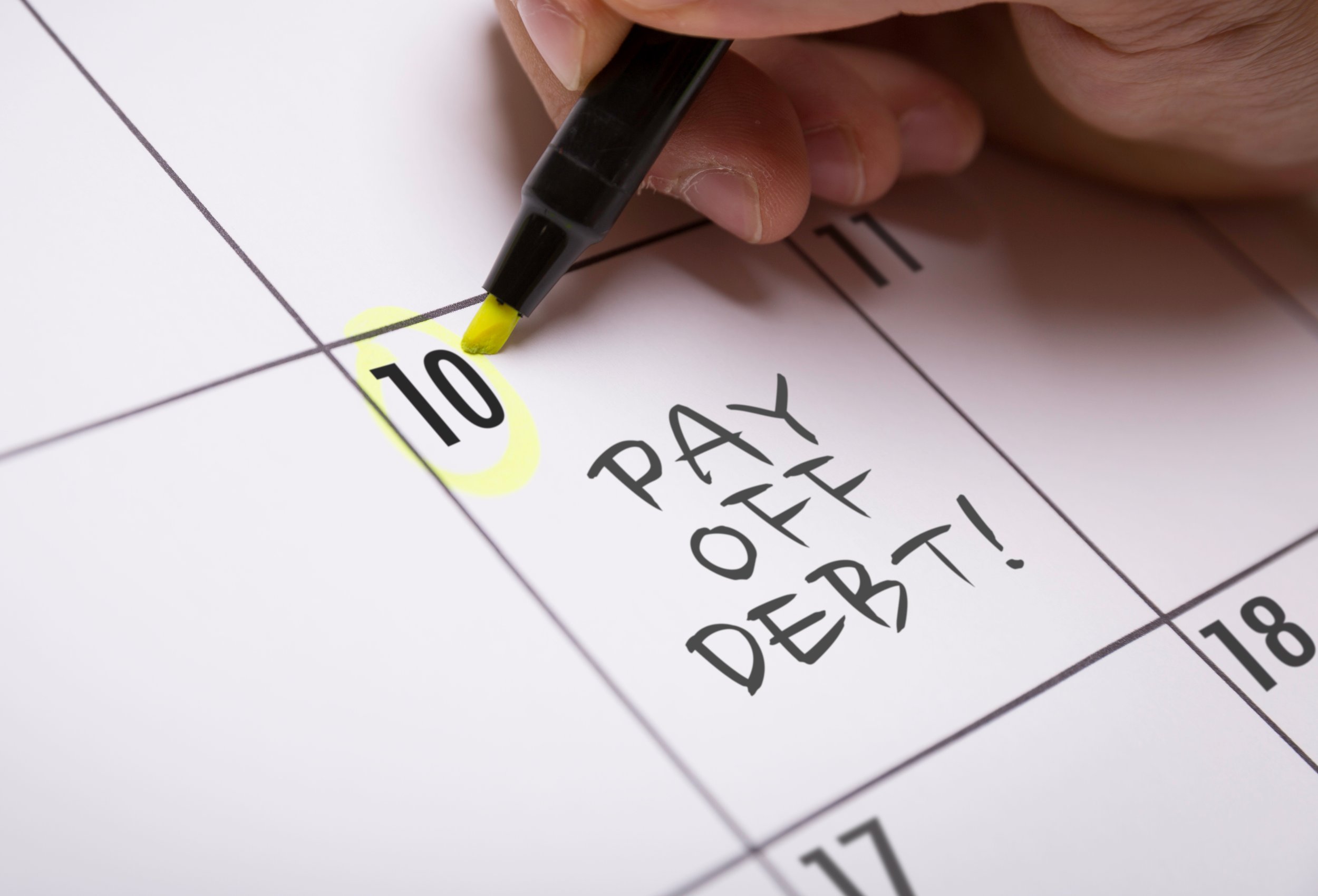
Paying down debt and building savings are both worthwhile financial goals. The challenge is deciding which one deserves more attention when there is only so much room in your monthly budget.
There is no single right answer that works for every household. The better choice depends on factors such as the type of debt you have, how much interest it is costing you, how much cash you already have available, and how predictable your financial situation is.
When Paying Down Debt May Be the Better Priority
High-interest debt can become expensive quickly, especially when credit card balances are carried from month to month.
If a large portion of each payment is going toward interest instead of reducing the balance, putting extra money toward that debt may provide more immediate financial value than continuing to build savings beyond a basic cushion.
Paying down debt may deserve more attention when:
Minimum payments are taking up a large part of your monthly budget
Your balances are barely decreasing despite regular payments
You already have enough savings to handle a modest unexpected expense
In those scenarios, it may make sense to focus on reducing the amount of interest you pay over time. As those balances fall, more money can eventually become available for saving and other goals.
When Building Savings May Be More Important
Aggressively paying down debt can create problems if it leaves you with little or no cash available when something unexpected happens. For example, a household putting all its extra money toward debt repayment may have no cash available for the next vehicle repair, medical bill, or other emergency, forcing them to put the expense back on a credit card and accrue more interest.
Building savings may deserve more attention when:
You have little or no cash reserve
Your income is irregular or uncertain
Your household depends heavily on one source of income
You have an older vehicle or home that may require repairs soon
Your insurance policies have high deductibles
Unexpected expenses frequently force you to borrow
In these situations, having some emergency savings can help prevent new debt from replacing the balances you are trying to eliminate.
Why an All-or-Nothing Approach Can Backfire
Putting every extra dollar toward one goal is not always the most practical strategy.
Someone who sends all available cash toward a credit card may make impressive progress until a $1,000 repair forces them to use the card again.
The opposite can also be inefficient. Someone who continues building a large savings balance while carrying expensive revolving debt may be earning only a few percent on their savings while paying 20% or more in credit card interest.
Households juggling debt repayment and savings goals may want to chart a middle path.
One approach is to first build enough savings to handle smaller unexpected expenses without borrowing. Once that initial cushion is in place, more of the available monthly cash can be directed toward high-interest debt.
You can still continue making smaller savings contributions while paying debt down. As expensive balances fall, more money can gradually be redirected toward building a larger emergency fund or other financial goals.
The right amounts will depend on your income, expenses, debt, and existing cash reserves.
Not All Debt Should Be Treated the Same
The interest rate and structure of the debt matter. Paying extra toward a credit card with a high APR can produce substantial savings. The same urgency may not apply to an auto loan or mortgage with a much lower rate and a manageable monthly payment.
Before deciding where to put extra money, compare the cost of each debt and consider what would happen if you suddenly needed cash.
You may decide that paying down one expensive balance deserves priority while continuing normal payments on lower-cost debt and maintaining your savings.
Reassessing your strategy as your financial situation changes can help you direct your money toward whichever goal provides the most value at that point.
Build a Savings and Debt Repayment Strategy Around Your Financial Priorities
Ouachita Valley Federal Credit Union offers savings products, personal loans, home equity products, and refinancing solutions that can help members manage both sides of the equation. Contact our team at 318.387.4592 to learn more about options that may fit your current financial goals.
