
How Vehicle Condition and Mileage Affect the True Cost of an Auto Loan
When shopping for a vehicle, most buyers focus on the basics: make, model, year, and price. Although they are important, those factors don’t tell the full story of what the vehicle will actually cost over time.
Two vehicles with the same price and auto loan terms can have very different long-term costs depending on their condition and mileage. If one of those vehicles lasts seven years and the other needs to be replaced or undergo major repairs after three, the vehicle in poorer condition will be far more expensive in the long run.
Why Condition Matters for Auto Loans
Lenders typically base auto loans on the vehicle’s value and the borrower’s financial profile. While mileage and vehicle history reports factor into valuation, lenders are not assessing whether a vehicle is likely to need major repairs in the next year.
Repair costs increase what you spend on the vehicle without increasing its value in a meaningful way. Two buyers with identical loans can end up in very different financial positions if one spends thousands on repairs while the other doesn’t. The loan balance of both remains the same, but the total cost of owning the vehicle is not.
Mileage and Maintenance: What Changes Over Time
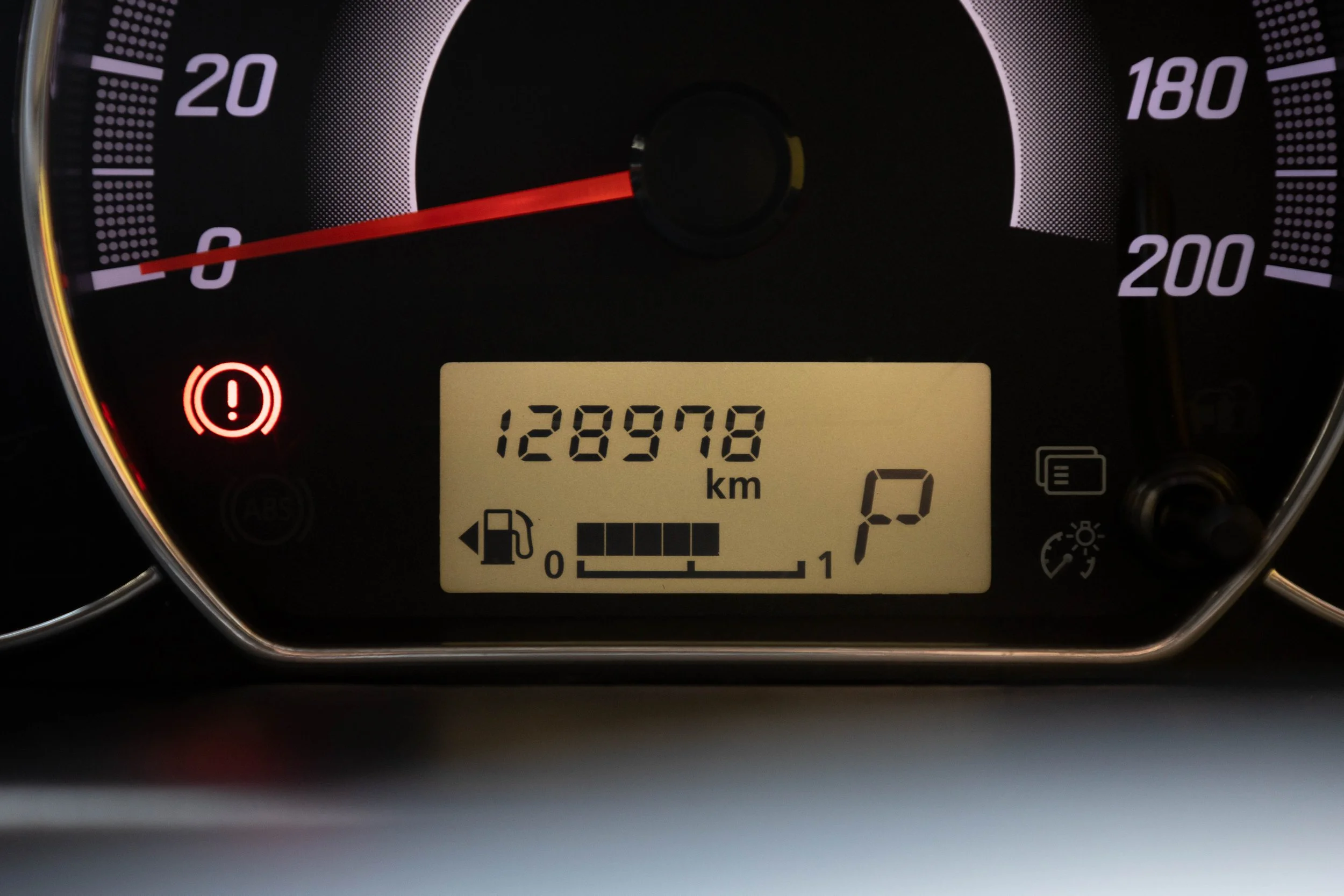
Mileage is one of the clearest indicators of where a vehicle is in its life cycle, but it doesn’t tell the whole story on its own.
Lower-mileage vehicles tend to require less immediate maintenance and are less likely to need major repairs in the near term. Higher-mileage vehicles are often less expensive upfront, but they may come with increased maintenance needs, including:
Brake and suspension work
Tire replacement
Engine or transmission repairs
Electrical issues as components age
These costs can vary widely depending on the make, model, and how well the vehicle was maintained, but in general, repair frequency and cost tend to increase as mileage rises.
When a Lower Payment Can Cost More Over Time
One of the most common tradeoffs buyers make is choosing a less expensive vehicle to keep the monthly payment lower. On paper, this can make the loan feel more manageable.
However, if that vehicle requires frequent repairs, the combined cost of the loan payment and ongoing maintenance can exceed what a higher-priced, more reliable vehicle would have cost.
That’s part of the reason many buyers gravitate toward more basic, entry-level vehicles from manufacturers known for long-term reliability. They may not have as many features or stand out on the road, but they tend to offer more predictable ownership costs and fewer major repair issues over time.
Matching the Loan Term to the Vehicle’s Lifespan
Another factor that often gets overlooked is how long the vehicle is expected to last compared to the length of the loan.
With newer or lower-mileage vehicles, longer loan terms may align more closely with the vehicle’s usable life. But with higher-mileage vehicles, stretching the loan over many years can create a mismatch.
If a vehicle reaches the end of its reliable lifespan before the loan is paid off, you could be left making payments on a car that requires significant repairs, or one you’ve already had to replace.
Shorter loan terms are often a better fit for older vehicles, even if the monthly payment is higher. The goal is to avoid extending payments beyond the period when the vehicle is dependable.
Looking Beyond the Purchase Price
The purchase price and loan terms are only part of the equation. The true cost of an auto loan includes:
The total interest paid over time
Routine maintenance and wear-and-tear items
Unexpected repair costs
How long the vehicle remains reliable
A vehicle that is slightly more expensive upfront but in better condition may provide more predictable costs and be less likely to require costly repairs.
Talk Through Your Options With a Local Auto Lender
Ouachita Valley FCU works with borrowers across Northeast Louisiana to evaluate auto loan options based on their needs and goals. If you’re considering a purchase, our team can help you review potential loan options so you can make an informed decision about auto financing.
Call us at 318.387.4592 to learn more.
