
How Monroe Homeowners Use a HELOC To Weather Major Home Repair Cycles
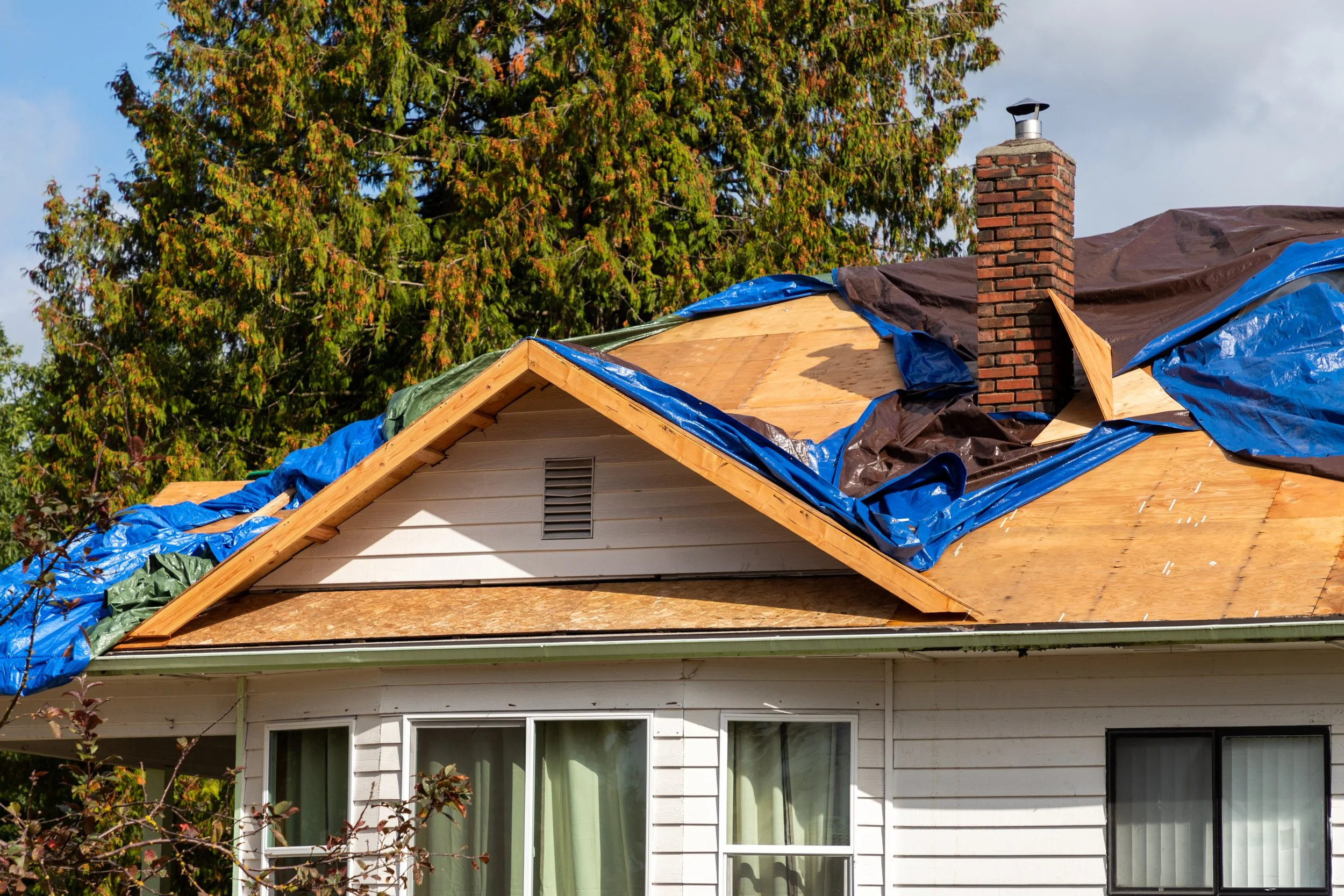
Many homeowners feel like big repairs show up in waves. One year it’s the HVAC system, the next year the water heater goes out, and not long after that the roof starts leaking.
This isn’t just bad luck. Many homeowners replace major systems around the same time, often within a year or two of buying the home, so it’s not unusual for those systems to reach the end of their lifespans within a similar window.
A home equity line of credit, or HELOC, can be especially helpful during these years because it gives you flexible access to funds as different repairs come up. Instead of taking out multiple loans for separate projects, you can use a single line of credit during the draw period to cover several high-cost fixes without stretching your budget.
Why Expensive Repairs Can Arrive Back-to-Back
Most major home systems have predictable lifespans:
· HVAC systems: about 12 to 15 years
· Water heaters: about 8 to 12 years
· Asphalt shingle roofs: about 18 to 25 years
· Dishwashers: about 9 to 12 years
· Clothes washers: about 10 to 13 years
· Clothes dryers: about 10 to 15 years
If you move into a newly built home, or you updated a lot of these big-ticket appliances when you first purchased your house, these components can naturally start to fail within a year or two of each other.
This Rapid Onslaught of Repairs and Replacements Can Be a Real Strain on Your Budget
A single major repair is manageable for many homeowners, but two or three in a short time frame can strain savings quickly. HVAC replacements often run from $5,000–$7,000. Roof work can cost even more, especially after a storm-heavy season. Water heaters, dishwashers, and washing machines, while not as expensive, still add thousands of dollars in unplanned costs when they fail suddenly.
Emergency replacements also tend to cost more than scheduled ones. When something you depend on daily breaks unexpectedly, like you’re A/C or water heater, you may not have the luxury of shopping around, comparing estimates, or waiting for seasonal discounts. These unplanned expenses can disrupt budgets, delay other financial goals, or force homeowners into short-term credit options that carry higher interest.
Why a HELOC Fits the Realities of Repair Cycles
A home equity line of credit is designed for flexibility, which makes it well suited to these repair cycles. Instead of taking out a new loan for each repair or replacement job, a HELOC lets you borrow only what you need, when you need it, during the draw period.
Ouachita Valley FCU’s HELOC has a five-year draw period, which means you can use the line several times over those five years without reapplying. If your HVAC system needs attention one year, your roof needs work the following year, and your washer and dryer the next, you can use the same HELOC for all those projects.
A single HELOC replaces the hassle of multiple loan applications and separate monthly payments, and you have much more flexibility in how and when you repay the line of credit. During the draw period, the minimum payment is based on the balance owed, set at one percent of the balance or $100, whichever is greater. This structure allows you to tackle repairs as they arise and keep your monthly repayment manageable.
Why Many Homeowners Prefer a HELOC to the Alternatives
A personal loan offers a fixed amount and a fixed payment schedule, which can be helpful for a single project but less practical when two or three repairs happen close together. If you take out a personal loan for an HVAC replacement and your water heater fails six months later, you may have to apply for a second loan.
Credit cards can help with smaller fixes, but large repairs or appliance replacements can lead to massive interest buildup if you can’t pay them off quickly. A HELOC typically offers a much lower rate than a credit card and more flexible repayment options than a lump-sum personal loan or home equity loan.
Are You a Monroe Homeowner Who Is Worried About an Approaching Repair Cycle?
If you want to see what HELOC limit or rate you may qualify for, contact Ouachita Valley FCU at 318.387.4592. We give members clear information on HELOC terms and how they work, so you can decide what fits your home and budget.
